Concussions are a growing concern in sports and physical activities, with athletes at all levels seeking ways to minimize their risk of injury. While helmets and rule changes have played a role in reducing concussion rates, recent research suggests that strengthening the neck muscles may be another key factor in protecting athletes. But does neck strengthening equipment actually help reduce concussion risk? Let’s take a deeper look at how neck strength impacts head injuries and whether training can be an effective prevention strategy.

Understanding Concussions and the Role of Neck Strength
A concussion occurs when a sudden impact or rapid movement of the head causes the brain to move within the skull. This can lead to short-term cognitive impairment, dizziness, and in some cases, long-term neurological damage. Sports such as football, soccer, hockey, and even basketball expose players to significant concussion risks due to high-speed collisions, falls, and aggressive play.
One of the primary factors influencing concussion risk is head acceleration. When an athlete experiences a blow to the head, the degree of movement determines the severity of the injury. Studies indicate that individuals with stronger neck muscles experience lower head acceleration upon impact. This suggests that increasing neck strength could provide a natural defense mechanism against concussions by reducing excessive head movement during collisions.
How Neck Strengthening Equipment Can Help
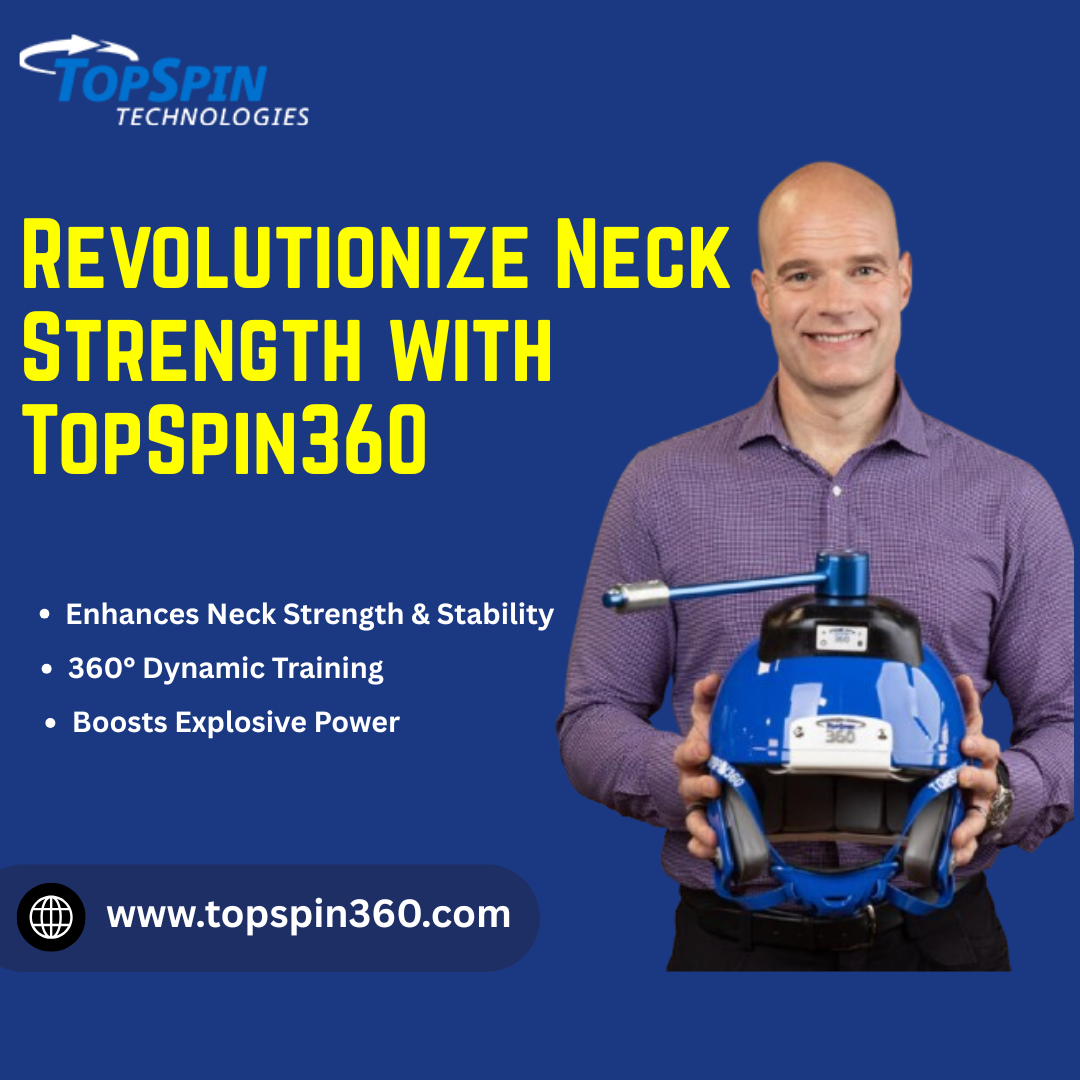
Neck strengthening equipment is specifically designed to target the muscles that support the head and improve their ability to resist sudden forces. Stronger neck muscles may help stabilize the head, decreasing the amount of force transmitted to the brain during an impact. While traditional weight training can enhance neck strength to some extent, specialized neck strength equipment allows for targeted training that mimics real-world movement patterns and stressors experienced in contact sports.
By engaging in a structured training program using neck strengthening equipment, athletes can work on developing muscle endurance, flexibility, and overall resistance to sudden forces. This can be particularly beneficial for young athletes who are still developing neuromuscular control and stability.
The Science Behind Neck Training for Concussion Prevention
Several studies have examined the relationship between neck strength and concussion risk. Research has found that athletes with greater neck circumference and stronger neck muscles experience lower head acceleration upon impact. In one study conducted by the Journal of Primary Prevention, researchers determined that every one-pound increase in neck strength resulted in a 5% decrease in concussion risk.
Additionally, neck training strategies are gaining traction in professional sports organizations. Many teams now incorporate neck-specific exercises into their training regimens to improve players’ ability to absorb and distribute impact forces safely. Athletes who engage in regular neck training have shown better postural control and head stability, further reducing their susceptibility to concussions.
The Importance of a Comprehensive Approach
While using a concussion prevention device or incorporating neck training can significantly contribute to reducing injury risk, it should not be the sole strategy. Preventing concussions requires a comprehensive approach, including:
Proper Technique and Coaching: Athletes should be trained to avoid dangerous head positioning and learn safer playing techniques.
Protective Gear: Although no helmet can fully prevent concussions, a well-fitted concussion prevention helmet can still help reduce the severity of head impacts.
Rule Enforcement: Sports organizations should continue implementing and enforcing rules that discourage dangerous play.
Baseline Testing and Education: Regular neurological assessments and concussion education can help identify risks early and ensure proper recovery for injured players.
Who Can Benefit from Neck Strengthening?
Neck training is not just for professional athletes. It can be beneficial for individuals in various high-risk groups, including:
Youth Athletes: Younger players are more vulnerable to concussions due to developing musculoskeletal structures. Training can help build better stability early on.
Female Athletes: Studies suggest that female athletes may be at greater risk of concussions due to generally lower neck strength compared to their male counterparts.
Contact Sport Players: Football, wrestling, boxing, and martial arts competitors can greatly benefit from enhanced neck strength to withstand impacts.
Military Personnel: Soldiers are exposed to high-impact situations, making neck training essential for head stabilization and injury prevention.
The Future of Concussion Prevention
As more research supports the link between neck strength and concussion prevention, sports organizations and medical professionals are likely to place greater emphasis on targeted training. Advances in concussion prevention helmet technology, combined with improved conditioning programs, can help further reduce head injuries across all levels of sports participation.
Neck training plays a critical role in making these training programs accessible and effective. Whether through resistance bands, weighted harnesses, or specialized neck strength equipment, athletes now have more options than ever to improve their resilience against concussions. The goal is to make neck training as routine as strength and agility exercises, ensuring that athletes are as protected as possible when stepping onto the field.
Conclusion
While no single method can completely eliminate the risk of concussions, strengthening the neck through targeted training appears to be a highly effective way to reduce the severity and frequency of these injuries. Neck strengthening equipment provides a structured and practical solution for athletes looking to improve their safety and performance. By incorporating neck training strategies into regular athletic routines, individuals can take proactive steps toward minimizing their risk of concussions and maintaining long-term brain health.



Write a comment ...