In the world of sports, concussions have emerged as one of the most pressing safety concerns. Whether it’s football, rugby, soccer, or hockey, athletes across various disciplines are at risk of experiencing head injuries that could lead to long-term physical, cognitive, and emotional consequences. While helmets and protective gear have been the traditional line of defense, there’s a growing focus on another critical factor in concussion prevention: neck training.

By incorporating neck training concussion prevention into their routines, athletes are not only reducing the likelihood of injuries but also enhancing their overall performance. Let’s explore how this innovative approach is revolutionizing sports safety and why it’s becoming a must-have in modern training regimens.
The Link Between Neck Strength and Concussions
Concussions occur when the brain experiences rapid movement within the skull, often caused by a blow to the head or body. While helmets protect the skull from fractures, they do little to stop the brain from jolting inside. This is where neck strength comes in.
A strong neck acts as a natural shock absorber, reducing the head’s movement during impact. Research shows that athletes with stronger necks are less likely to suffer from concussions because their neck muscles can stabilize the head, minimizing the forces transmitted to the brain.
For example, in contact sports like football and wrestling, players often endure sudden collisions. If their neck muscles aren’t strong enough, their heads snap back, increasing the likelihood of injury. By focusing on neck resistance training, athletes can prepare their bodies to handle such impacts more effectively.
The Benefits of Neck Resistance Training
Neck resistance training involves exercises designed to target and strengthen the muscles in the neck. This type of training provides numerous benefits, including:
Improved Stability: Stronger neck muscles help stabilize the head during sudden movements, reducing the risk of whiplash and other neck-related injuries.
Reduced Impact Forces: By building a more resilient neck, athletes can absorb impact forces more effectively, minimizing the likelihood of brain trauma.
Enhanced Performance: A strong neck contributes to better posture and body mechanics, which can improve overall athletic performance.
Customizable for All Levels: Neck training can be tailored to suit athletes of all ages and skill levels, making it accessible to professionals and beginners alike.
Why Neck Strength Equipment is Essential
While bodyweight exercises like isometric holds and resistance band training can be effective, specialized neck strength equipment takes training to the next level. These tools are specifically designed to provide targeted resistance and measurable progress, ensuring that athletes achieve optimal results.
For example, neck strength equipment often allows for multi-directional resistance, meaning athletes can train their necks to handle forces from different angles. This is especially important for sports like hockey or soccer, where collisions can come from unexpected directions.
Additionally, advanced equipment often includes features to track progress, helping athletes and trainers monitor improvements and adjust routines accordingly. This combination of precision and customization makes specialized equipment an invaluable part of any neck training program.
Combining Neck Training with Concussion Prevention Devices
While neck training significantly reduces concussion risks, combining it with a concussion prevention device offers a comprehensive approach to safety. Concussion prevention devices are engineered to reduce the forces transmitted to the brain during impacts.
For example, some helmets now incorporate advanced padding and impact-diffusion technologies, while wearable devices monitor impact forces in real time. When paired with a strong neck, these tools work synergistically to protect athletes from injury.
Together, neck training and concussion prevention devices represent the future of sports safety, equipping athletes with the tools they need to perform confidently while staying protected.
How Neck Training is Changing the Game
The adoption of neck training as a core component of concussion prevention is transforming how athletes, coaches, and trainers approach safety. No longer viewed as optional, neck training for concussion prevention is becoming a standard practice in many sports programs.
Moreover, this focus on neck strength isn’t limited to professional athletes. Youth leagues and recreational sports organizations are also recognizing the importance of neck resistance training, helping players build strong foundations from an early age.
Conclusion: Build Strength, Build Safety
In the quest to reduce the dangers of concussions, neck training has emerged as a game-changing solution. By incorporating neck resistance training, athletes can enhance their performance, reduce injury risks, and stay safer on the field. Combined with high-quality neck strength equipment and innovative concussion prevention devices, this approach offers a comprehensive path to safety and success in sports.
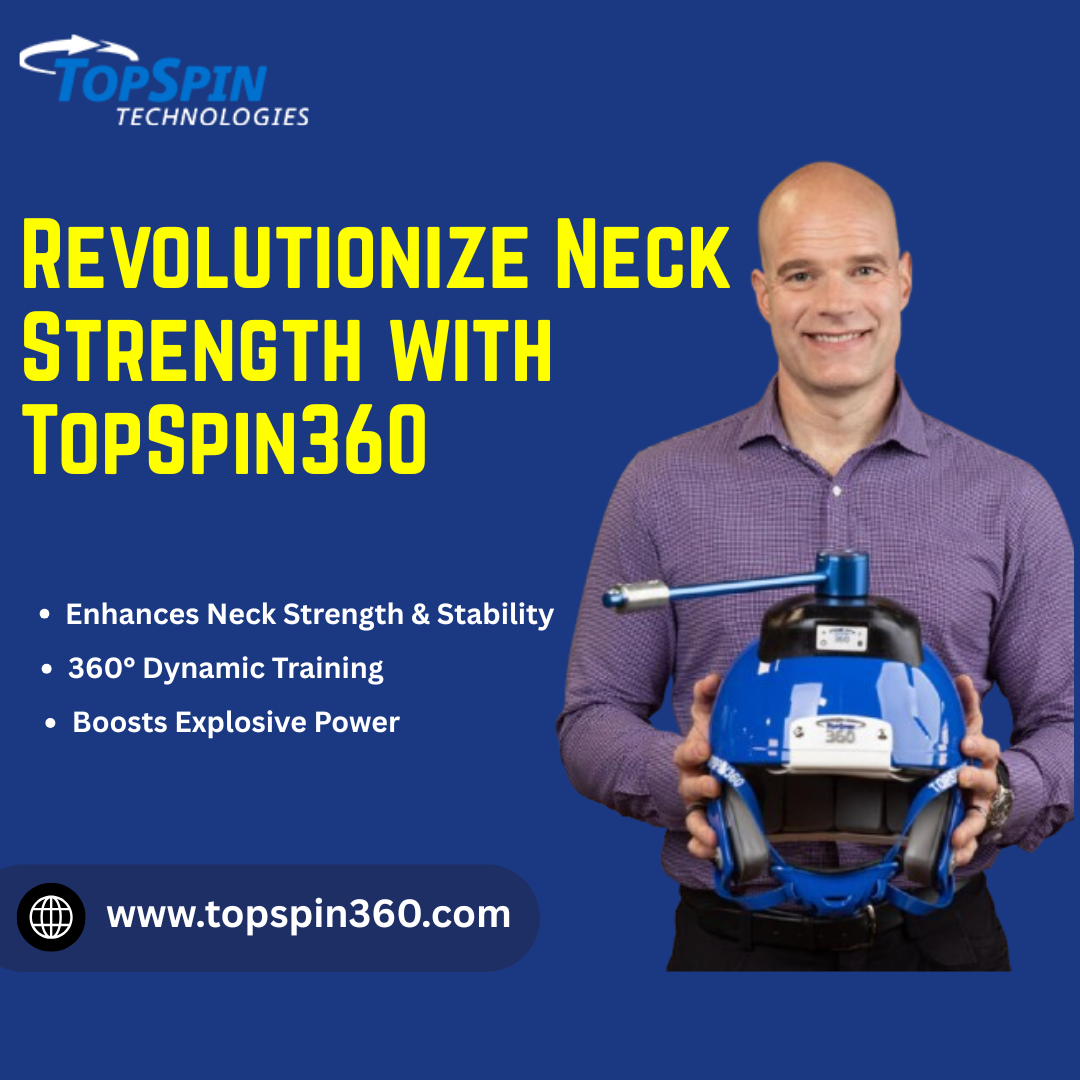
At TopSpin360, we’re proud to support this movement with our revolutionary neck training equipment. Designed to help athletes build neck strength effectively, TopSpin360 is at the forefront of concussion prevention innovation. Whether you’re a professional athlete or a recreational player, investing in your neck strength is investing in your health and safety.
Take control of your training and protect yourself from the risks of concussions with TopSpin360—because a stronger neck means a safer game.



Write a comment ...